
Welcome to the Sorting Hat for HomeownersIf Hogwarts had a campus in State College (and honestly, it should—those turrets would look spectacular against a football Saturday sky), the Sorting

Dated: February 17 2022
Views: 126
For many people, buying a home is the biggest purchase you’ll ever make! But the expenses don’t end when you sign on the dotted line. Be prepared for these additional costs.
Think forking over your life savings for a down payment was the end of the story? Unfortunately, there are additional costs that may surprise you.
Don’t let them get you down! If you plan in advance, you can be prepared for these five additional costs of owning a home.
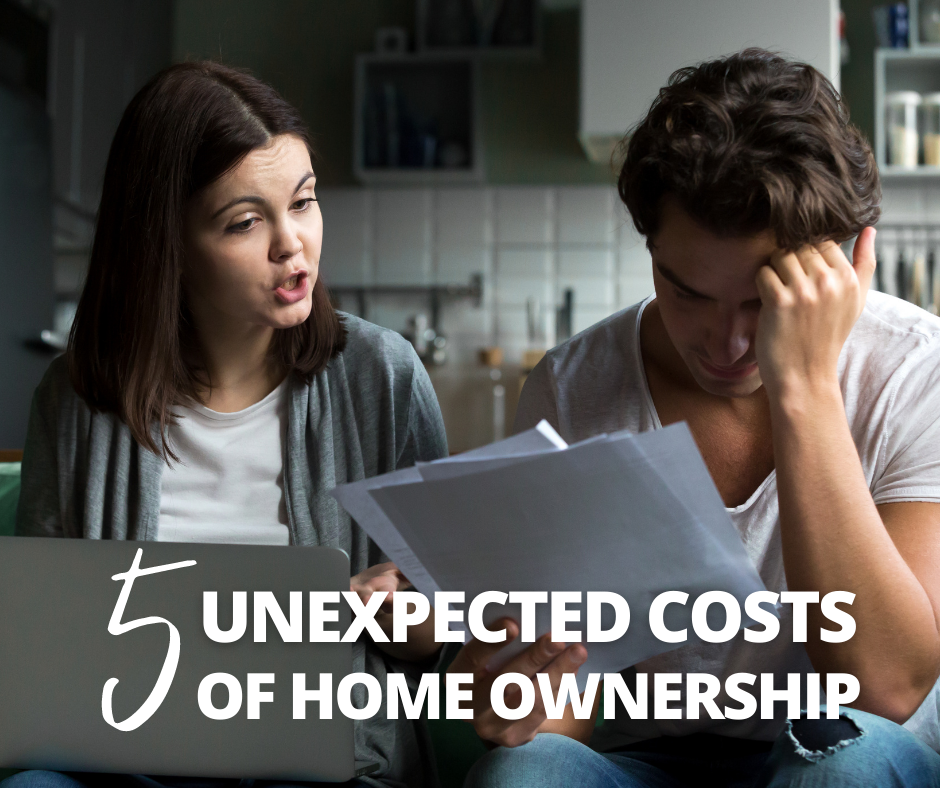
There are several different fees that will be included in closing costs. These will be decided during negotiations for your home. But they are something for which you need to be prepared.
Most commonly, you will have to come to the closing table with a check (or have paid closing costs in advance). Fees could include:
Many people pay between 2-5% of the cost of the home in closing costs. While the fees change depending on where you live and many other factors, you should be prepared that this is a real cost you could be responsible for.
There are both predictable and unexpected home maintenance costs that you
need to be ready for. Even with a thorough inspection, things in your home will break down. Some of these can be very costly. For instance, if your HVAC system or appliances have aged out of manufacturer warranty, it’s on you to pay the full cost of repairing or replacing them when they break down.
There are also regular home maintenance items you’ll have to take care of. These include things like replacing air conditioning filters, getting your home painted, cleaning the roof and maintaining systems and appliances.
Numerous housing studies indicate that you will probably pay between 1-2% of your home value each year to maintain your home.
Property taxes vary significantly and are unique to each home. Before you buy a home, you should count property taxes in with what you will pay on your mortgage each month. You have to pay property taxes and, in some areas, they can be very expensive. This calculation will save you the headache or surprise of a much higher monthly payment.
Sometimes, once you add in property taxes, you’ll realize you can’t afford to live in a certain area. Sometimes, people grieve taxes, which is a way of legally appealing the amount of property taxes. This would require a lawyer and isn’t always successful.
The important things to remember are:
Utilities for a home may be higher than you expect. Keep in mind that these also vary seasonally. So, if you move into a Florida home in December, you may be elated at your low air conditioning bill. However, when July hits, it could triple.
There are several factors that impact your water and electric or gas bill. As you buy a home, you may want to consider how these factors could a ect your monthly home budget. For instance, it may be worth paying more up front for a home that is energy efficient, because you will have a lower utility bill each month.
One of the aspects a home inspection will look at is the quality of home systems, like the age and quality of your HVAC and the quality of a home’s insulation and windows. All of these impact how e cient a home is at handling temperature. The quality of your water pressure and water heater are also important, as any appliance that is older or leaking will run your bill up.
Do some research in addition to what you learn on a home inspection and out what average utilities run for a home you want to buy.
Every home with a mortgage requires homeowners insurance. Insurance is required because it covers natural disasters, res and oods. If something catastrophic occurs, homeowners insurance will cover the cost of repairs for damage and replacing lost items.
Homeowners insurance is usually bundled in with your mortgage but you have some decisions to make. You may be allowed to choose a homeowners insurance company you want to work with. While the rates are fairly set and not subject to negotiation, you’ll also want to be aware of some above and beyond costs you could pay. For example, are you in a ood zone? Or, if you’re buying a condo, do you need a liability rider for accidents that happen on the property?
Discuss all aspects and responsibilities with your insurance broker to be sure you are fully covered. Then, add this into your budget.
THESE ARE FIVE COSTS YOU JUST HAVE TO PLAN FOR. THE BEST WAY TO BE PREPARED IS TO ASK AN EXPERT!
Frances Thorsen is a leading real estate author and thought leader. She got her real estate license and became a REALTOR® in 1985. She was an early adopter of real estate technology on the Interne....
Welcome to the Sorting Hat for HomeownersIf Hogwarts had a campus in State College (and honestly, it should—those turrets would look spectacular against a football Saturday sky), the Sorting
In a move that could significantly alter the landscape of real estate transactions in the United States, the Department of Justice (DOJ) has recently filed a statement of interest in a major ongoing
Pippi Longstocking: "Good day! It's me, Pippi Longstocking, ready to embark on the grand adventure of selling my beloved Villa Villekulla. But, oh my stars, I hear things are changing in the
Get ready for some fun insights from Zillow's cool research in 2023. You won't believe what people have been typing into Zillow's search bar! 🏠✨Picture this: millions of Americans, just like
 The data relating to real estate for sale on this web site comes in part from the Internet Data Exchange of the Greater Lehigh Valley REALTORS®. Real Estate listings held by brokerage firms (licensees) other than #firm are marked with the IDX logo and detailed information about them includes the name of the listing brokers.
The information being provided is for consumers personal, non-commercial use and may not be used for any purpose other than to identify prospective properties consumers
may be interested in purchasing.
Data last updated September 24, 2026 3:33 PM UTC
Show More...
The data relating to real estate for sale on this web site comes in part from the Internet Data Exchange of the Greater Lehigh Valley REALTORS®. Real Estate listings held by brokerage firms (licensees) other than #firm are marked with the IDX logo and detailed information about them includes the name of the listing brokers.
The information being provided is for consumers personal, non-commercial use and may not be used for any purpose other than to identify prospective properties consumers
may be interested in purchasing.
Data last updated September 24, 2026 3:33 PM UTC
Show More...
 © BRIGHT, All Rights Reserved
Information Deemed Reliable But Not Guaranteed
The data relating to real estate for sale on this website appears in part through the BRIGHT Internet Data Exchange program, a voluntary cooperative exchange of
property listing data between licensed real estate brokerage firms in which
participates, and is provided by BRIGHT through a licensing agreement.
The information provided by this website is for the personal,
non-commercial use of consumers and may not be used for any purpose other than to identify prospective properties consumers may be interested in purchasing.
Data last updated: September 24, 2026 1:29 PM UTC
Some properties which appear for sale on this website may no longer be available
because they are under contract, have Closed or are no longer being offered for sale.
Some real estate firms do not participate in IDX and their listings do not appear on this website. Some properties listed with participating firms do not appear on this website at the request of the seller.
Show More...
 All information deemed reliable but not guaranteed. All properties are subject to prior sale, change or withdrawal. Neither listing broker(s) or information provider(s) shall be responsible for any typographical errors, misinformation, misprints and shall be held totally harmless. Listing(s) information is provided for consumer's personal, non-commercial use and may not be used for any purpose other than to identify prospective properties consumers may be interested in purchasing. The data relating
to real estate for sale on this website comes in part from the Internet Data Exchange program of the Multiple Listing Service. Real estate listings held by brokerage firms other than eXp Realty in Centre County may be marked with the Internet Data Exchange logo and detailed information about those properties will include the name of the listing broker(s) when required by the MLS. Copyright ©2026 All rights reserved.
Last Updated: September 24, 2026 3:35 PM UTC
Show More...
All information deemed reliable but not guaranteed. All properties are subject to prior sale, change or withdrawal. Neither listing broker(s) or information provider(s) shall be responsible for any typographical errors, misinformation, misprints and shall be held totally harmless. Listing(s) information is provided for consumer's personal, non-commercial use and may not be used for any purpose other than to identify prospective properties consumers may be interested in purchasing. The data relating
to real estate for sale on this website comes in part from the Internet Data Exchange program of the Multiple Listing Service. Real estate listings held by brokerage firms other than eXp Realty in Centre County may be marked with the Internet Data Exchange logo and detailed information about those properties will include the name of the listing broker(s) when required by the MLS. Copyright ©2026 All rights reserved.
Last Updated: September 24, 2026 3:35 PM UTC
Show More...
